This guide explains what medical oxygen is, why they use it, how they keep it safe, and what regulations typically require. It is written for readers who want a clear, practical overview, not a chemistry lecture.
What exactly is medical oxygen?
Medical oxygen is oxygen supplied for clinical use and treated as a medicinal product in many jurisdictions. They typically provide it as compressed gas in cylinders, as liquid oxygen in bulk tanks, or from on-site generators that concentrate oxygen.
The key difference is quality control. Medical oxygen must meet defined purity specifications and be produced, tested, and distributed under regulated processes.
When do they use medical oxygen in healthcare?
They use medical oxygen to treat or prevent hypoxemia, which is low blood oxygen. It is not a “general wellness” gas in clinical settings; it is used when oxygen delivery to tissues is insufficient.
Common use cases include emergency care, surgery and anesthesia, pneumonia, asthma or COPD exacerbations, heart failure, trauma, sepsis, and neonatal care. They also use it for patient transport and resuscitation support.
How does medical oxygen actually help the body?
It increases the fraction of inspired oxygen, which raises oxygen in the alveoli and then in arterial blood. That can reduce strain on the heart and improve organ function when oxygen levels are dangerously low.
It does not treat the underlying cause by itself. Clinicians still need to diagnose and address why oxygen is low, such as infection, fluid overload, airway obstruction, or ventilation problems.
What delivery methods do they use, and how do they choose?
They choose the device based on how much oxygen they need to deliver, how stable the patient is, and whether they need precise control.
Typical options include nasal cannulas for low to moderate support, simple masks for higher flow, Venturi masks when a fixed concentration is needed, non-rebreather masks for high-concentration emergency support, and high-flow nasal therapy or ventilators when respiratory failure is developing. They also titrate oxygen using pulse oximetry and, when needed, arterial blood gas tests.
What are the biggest safety risks with medical oxygen?
Oxygen itself is not flammable, but it accelerates combustion. That is the core hazard: materials ignite more easily and burn faster in oxygen-enriched environments.
Other major risks include high-pressure cylinder accidents, regulator failure, fire from smoking or sparks, trip hazards from tubing, and skin or airway dryness with prolonged use. In clinical care, excessive oxygen can also harm patients, especially when they do not need high levels.
Can too much oxygen be harmful?
Yes. Hyperoxia can cause oxygen toxicity, worsen carbon dioxide retention in some patients, and contribute to lung injury in vulnerable groups. In neonates, excessive oxygen exposure has specific risks, so they tightly control targets.
This is why oxygen is treated like a drug. They prescribe a target saturation range and adjust flow to reach it, rather than leaving oxygen at a high setting “just in case.”
What fire-prevention rules do they typically follow around oxygen?
They reduce ignition sources and control the environment first. That includes banning smoking, keeping oxygen away from open flames, sparks, and hot surfaces, and using signage where oxygen is in use.
They also avoid oil or grease on valves and regulators, keep cylinders secured upright, and ensure electrical equipment is in good condition. In home settings, they typically instruct patients to keep oxygen away from cooking appliances and to store cylinders in ventilated areas.
How do they store and handle medical oxygen cylinders safely?
They treat cylinders as high-pressure vessels that can become dangerous projectiles if damaged. They store them upright, secured with chains or stands, with valve caps on when not connected.
They separate full and empty cylinders, keep them away from heat, and transport them using approved trolleys rather than dragging or rolling. They also check labels, expiry or test dates where applicable, and ensure the correct regulator and connectors are used for that gas and cylinder type.

What is the difference between oxygen concentrators, cylinders, and liquid oxygen?
Cylinders store compressed oxygen and are common for portability and backup. Liquid oxygen systems store oxygen at very low temperatures and are used for higher-volume needs, often in hospitals or larger home setups.
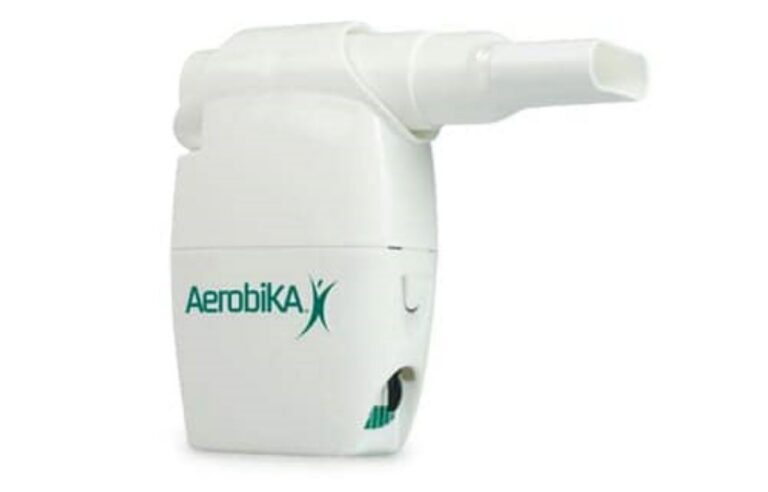
Concentrators do not store oxygen; they generate it by filtering nitrogen from air. They are convenient for long-term home therapy but rely on electricity, so they usually require a backup plan for outages. Discover where to buy Aerobika in Australia and what you should know before using it.
How do they ensure the oxygen is “medical grade”?
They rely on regulated manufacturing, testing, and traceability. Medical oxygen typically must meet pharmacopeia or equivalent standards for purity, moisture, and allowable impurities.
Suppliers document batch details, cylinder filling procedures, and quality checks. Healthcare facilities also maintain processes for receiving, verifying, and tracking cylinders to reduce mix-ups and to support recalls if needed.
What regulations and standards commonly apply to medical oxygen?
Most regions regulate medical oxygen as a medicinal product or medical gas, which brings licensing, quality systems, labeling, and distribution controls. They may also apply workplace safety rules for compressed gases, fire codes, and facility standards for piped-gas systems.
Common themes across jurisdictions include: approved suppliers, validated filling processes, periodic cylinder inspection, staff training, incident reporting, and maintenance requirements for manifolds, alarms, and pipeline infrastructure.
Who is responsible for compliance in hospitals and clinics?
Responsibility is shared, but they typically assign clear owners. Facilities management often oversees pipelines, bulk tanks, alarms, and preventive maintenance, while clinical teams manage prescribing, administration, and monitoring.
Procurement and pharmacy or equivalent quality functions may manage supplier qualification and documentation. What matters is that they define accountability, train staff, and keep auditable records.
What should they know about using medical oxygen at home?
Home oxygen therapy can be safe and effective when they follow instructions and have a realistic plan for emergencies. They should understand prescribed flow rates, when to use oxygen, and what symptoms require urgent help.
They also need practical safety habits: no smoking, keep equipment away from heat, avoid tripping hazards, and know how to check remaining cylinder contents if they use cylinders. If they use a concentrator, they should confirm backup arrangements for power failures.
What are the most common myths about medical oxygen?
A common myth is that oxygen is harmless at any dose. In reality, inappropriate oxygen can cause clinical harm, so they target specific saturation ranges.
Another myth is that “industrial” and “medical” oxygen are interchangeable. Even if purity seems similar, the regulatory controls, documentation, and handling requirements can differ, and those controls are part of what makes it safe for patients.
How do they build a simple oxygen safety checklist?
They start with environment, equipment, and monitoring. That means controlling ignition sources, securing cylinders, using the right regulators, and ensuring staff know emergency procedures.
A practical checklist usually includes: confirm prescription or target saturation, verify the gas label, inspect tubing and connections, keep oxygen away from flames, secure cylinders, and document observations. If something seems wrong, they stop and escalate rather than improvising.
What is the bottom line on medical oxygen?
Medical oxygen is essential, but it is not casual. They use it to correct low blood oxygen, and they administer it like a drug with a dose, a target, and monitoring.
Safety and compliance come from disciplined handling, fire prevention, correct equipment, and adherence to regulations that ensure quality from production to bedside.